What prior methods miss现有方法缺什么
Inverse-rendering methods for glossy objects, as compared in the paper. Click a row to see its relighting of the toaster.论文对比的高光物体逆渲染方法。点击一行,查看它对烤面包机的重打光结果。
| Method方法 | Representation表示 | PB | E2ER | Train训练 | Relighting failure (paper)重打光的问题(论文所述) |
|---|
PB: physically based BRDF. E2ER: end-to-end relightable; NeRO and ENVIDR need extra steps per new light (a Blender export, or training an MLP to hold the environment map). Training times from the paper's Table 1.PB:基于物理的 BRDF。E2ER:端到端可重打光;NeRO 和 ENVIDR 每换一种光照都要额外步骤(导出到 Blender,或训练一个 MLP 来存环境贴图)。训练时间来自论文表 1。
And no glossy dataset had ground-truth material and relighting, so material quality could not be measured.此外,没有任何高光数据集提供材质和重打光的真值,材质好坏无法定量评测。
RISE-SDF at a glanceRISE-SDF 概览

1
Stage 1: geometry first阶段一:先学几何
A neural SDF (NeuS on a progressive hash grid) with a reflection-aware radiance field: diffuse, specular and blend MLPs.神经 SDF(渐进式哈希网格上的 NeuS),配一个感知反射的辐射场:漫反射、高光和混合三个 MLP。
2
Stage 2: information sharing阶段二:信息共享
The same MLP heads also predict albedo and metallic; split-sum PBR with a cube-mipmap environment; trained jointly with the radiance field.同一组 MLP 头同时预测反照率和金属度;用 split-sum PBR 和立方体 mipmap 环境光,与辐射场联合训练。
3
Indirect light间接光
Training: an MLP predicts the indirect specular light. Relighting: a second split-sum traces one bounce.训练时:一个 MLP 预测高光的间接光。重打光时:用第二次 split-sum 追踪一次反弹。
4
A dataset to measure it一个能评测它的数据集
Five glossy scenes with ground-truth albedo, roughness and relighting under nine environment maps.五个高光场景,提供反照率、粗糙度的真值,以及九张环境贴图下的重打光真值。
Sharing gives better material and geometry共享让材质和几何都更好
Toaster, with and without information sharing. Without it, the model is shown at 5k iterations (the full model's material-optimization time) and at 15k (its geometry time).烤面包机,有无信息共享的对比。无共享的模型分别在 5k 次迭代(完整模型优化材质的时长)和 15k 次迭代(完整模型优化几何的时长)时展示。
GTOurs, 15k完整模型,15kno sharing, 5k无共享,5kno sharing, 15k无共享,15k
albedo反照率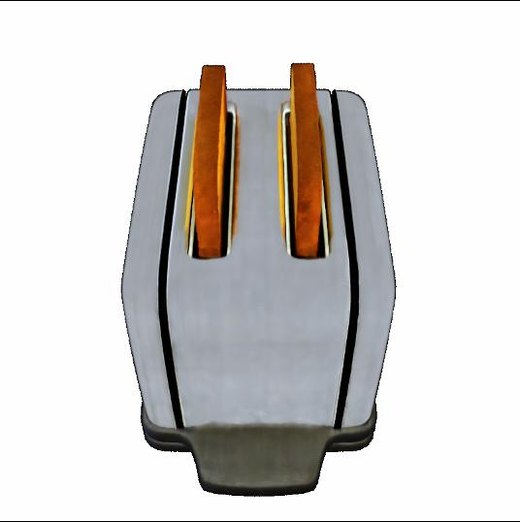
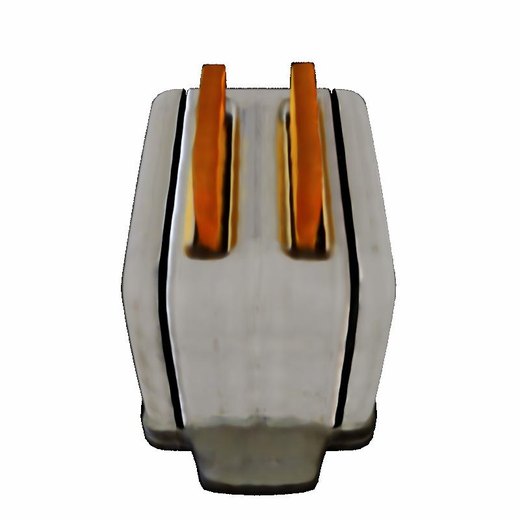
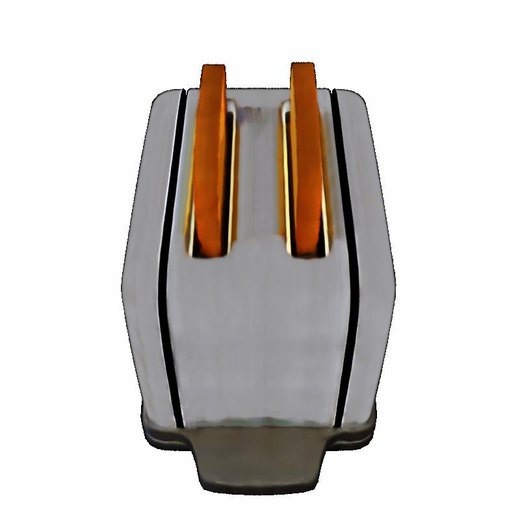 roughness粗糙度
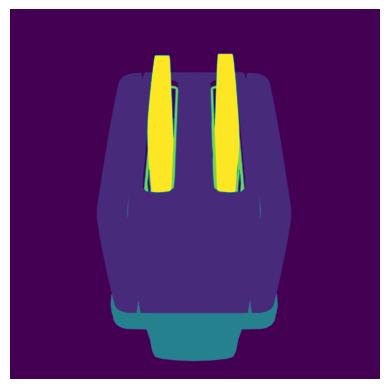
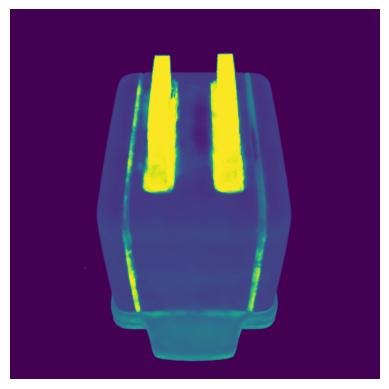
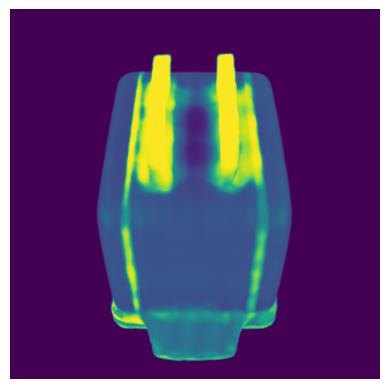
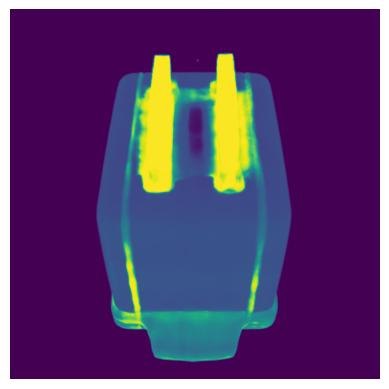 normal法线
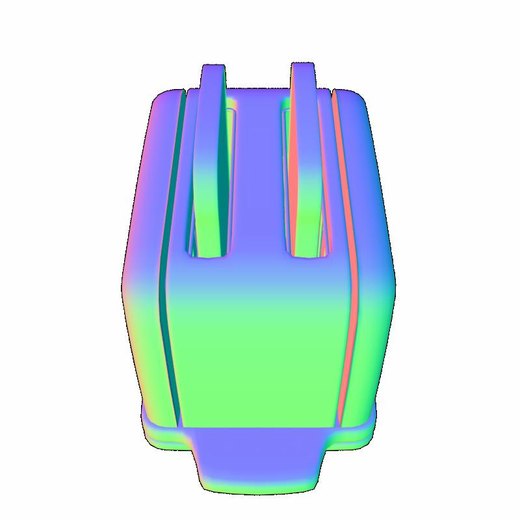
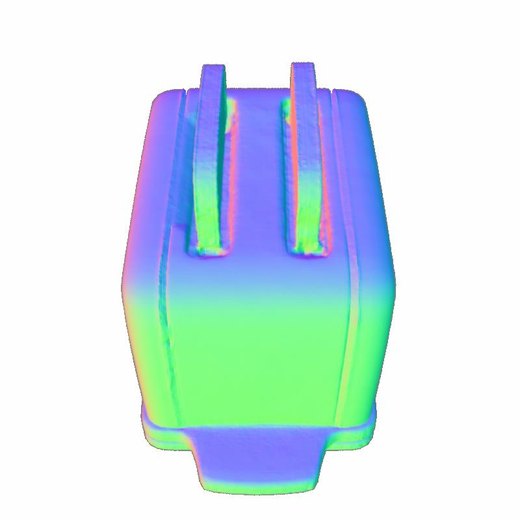
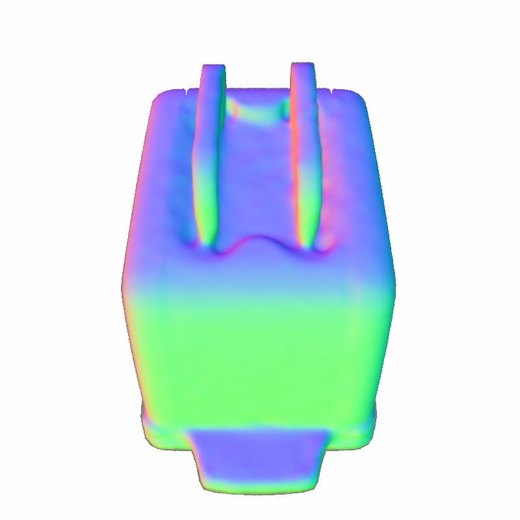
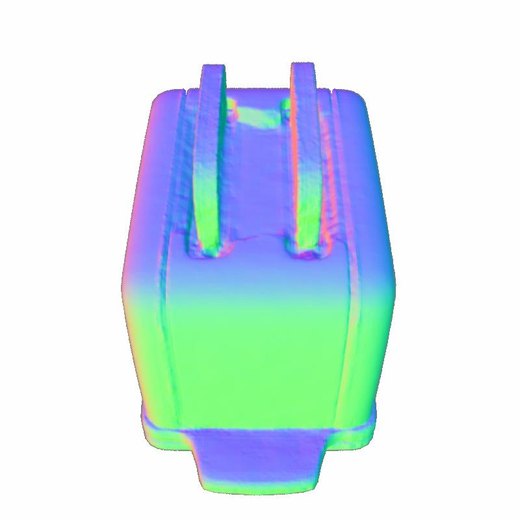
Average over the five synthetic scenes (paper Table 1): without sharing → full model.五个合成场景的平均(论文表 1):无共享 → 完整模型。
Training time: 2 h without sharing, 2.5 h for the full model.训练时间:无共享 2 小时,完整模型 2.5 小时。
Both indirect terms matter when relighting重打光时两个间接光项都不可少
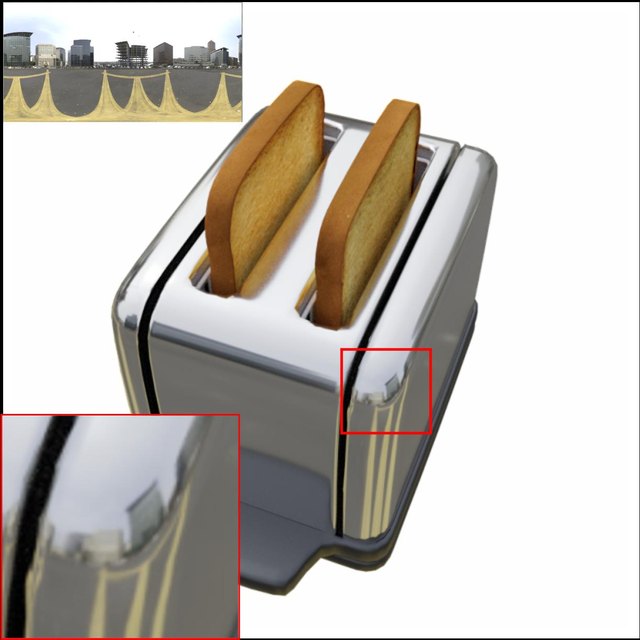
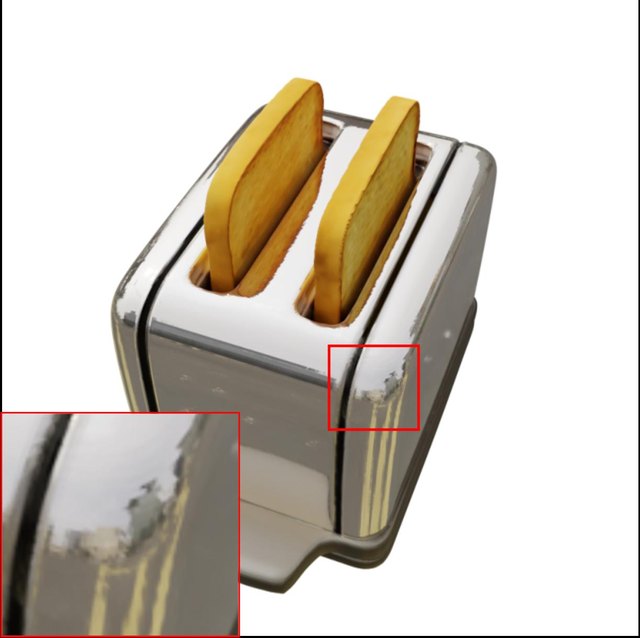
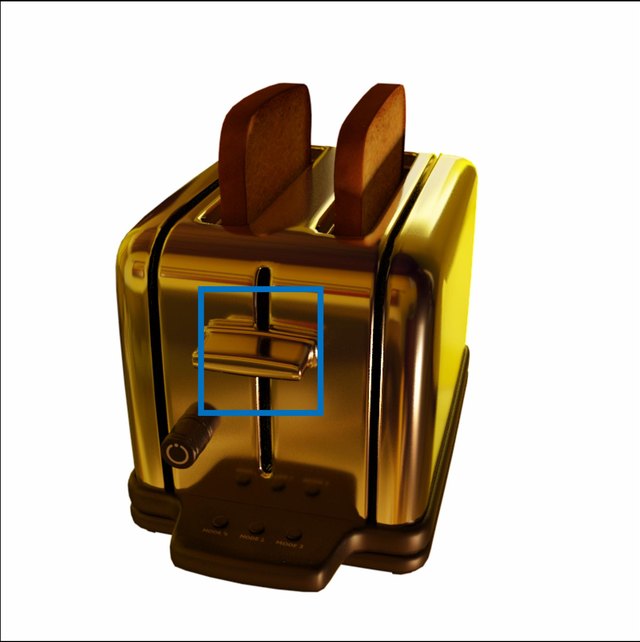
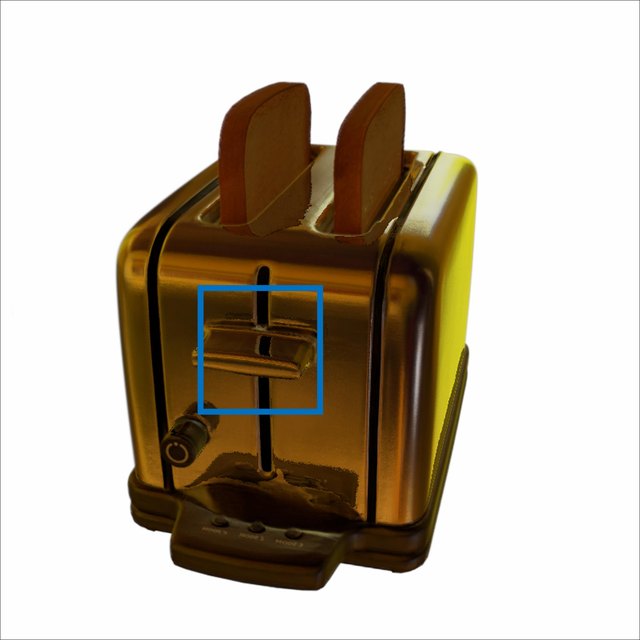
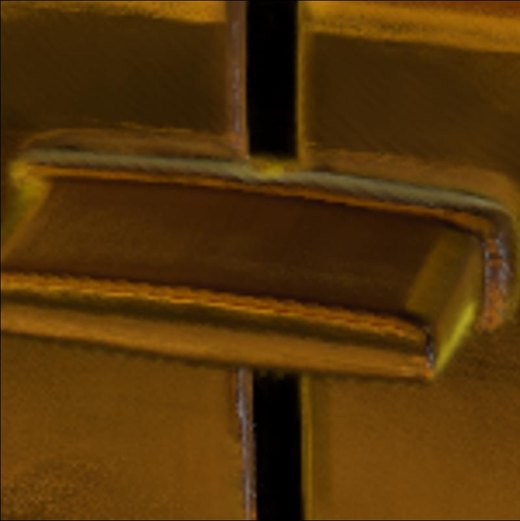
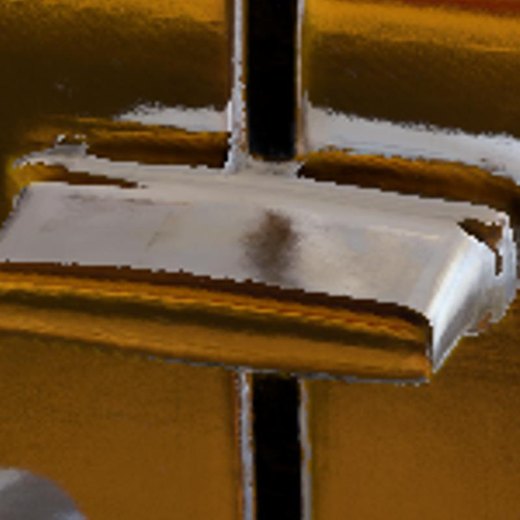
Toaster relit with the fireplace environment map. Bottom row: the boxed region, enlarged.用壁炉环境贴图重打光的烤面包机。下排是框中区域的放大。
GTOurs完整模型no indirect MLP无间接光 MLPno 2nd split-sum无第二次 split-sum
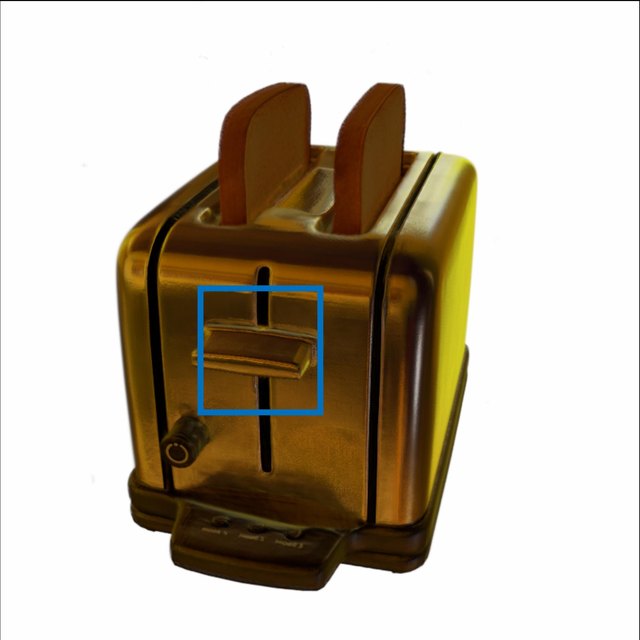
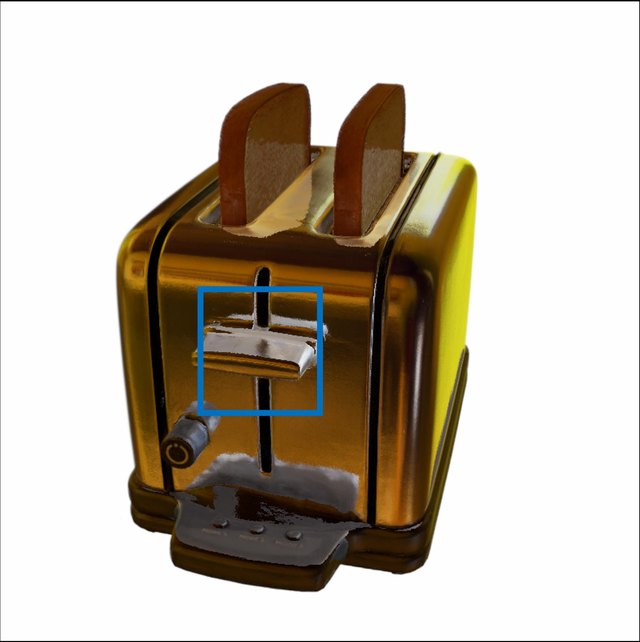
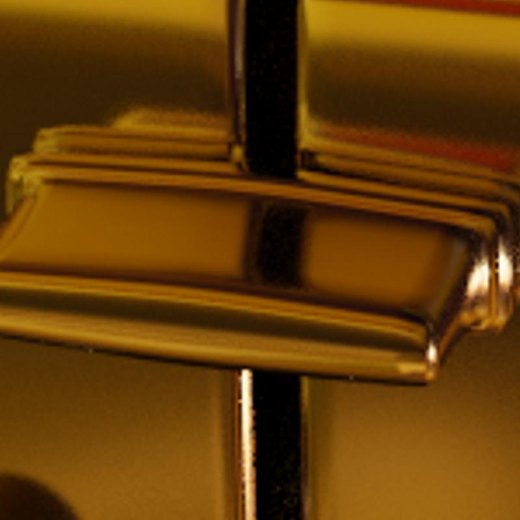
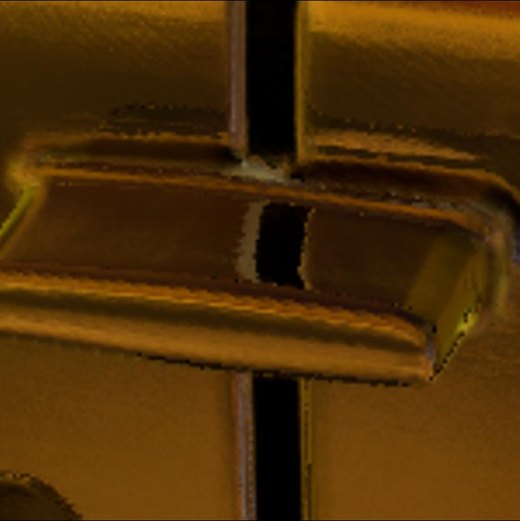
relighting PSNR of the full model, averaged over the five scenes.完整模型的重打光 PSNR,五个场景平均。
No indirect MLP: reflections of the object on itself look less realistic.去掉间接光 MLP:物体映在自身上的反射不够真实。
No second split-sum: the indirect MLP, trained under the training light, gives unnatural contrast under a new one.去掉第二次 split-sum:间接光 MLP 是在训练光照下学的,换了光照就出现不自然的对比。
A glossy dataset with material ground truth一个带材质真值的高光数据集
Five Shiny Blender objects (teapot, coffee, muscle car, toaster, helmet), re-shaded so that data and model use the same BRDF.取 Shiny Blender 的五个物体(茶壶、咖啡、肌肉车、烤面包机、头盔),重新设置着色器,使数据与模型使用同一种 BRDF。
| Dataset数据集 | Material材质 | Relighting重打光 | # env maps环境贴图数 | Shiny高光 |
|---|---|---|---|---|
| NeRF Synthetic | ✗ | ✗ | 0 | ✗ |
| Shiny Blender | ✗ | ✗ | 0 | ✓ |
| NeRO Synthetic | ✗ | ✓ | 3 | ✓ |
| NeRFactor Synthetic | ✓ | ✓ | 8 | ✗ |
| TensoIR Synthetic | ✓ | ✓ | 8 | ✗ |
| Ours本文 | ✓ | ✓ | 9 | ✓ |
- Aligned BRDF: every shader becomes a Principled BRDF, default except base colour, metallic and roughness.BRDF 对齐:所有着色器都换成 Principled BRDF,除基础色、金属度和粗糙度外都用默认值。
- Ten lights: one for training, nine for relighting.十种光照:一种用于训练,九种用于重打光。
- Exact material maps: re-rendered with a Diffuse BSDF that carries the albedo or roughness value.精确的材质图:用携带反照率或粗糙度数值的 Diffuse BSDF 重新渲染得到。
toaster烤面包机helmet头盔muscle car肌肉车
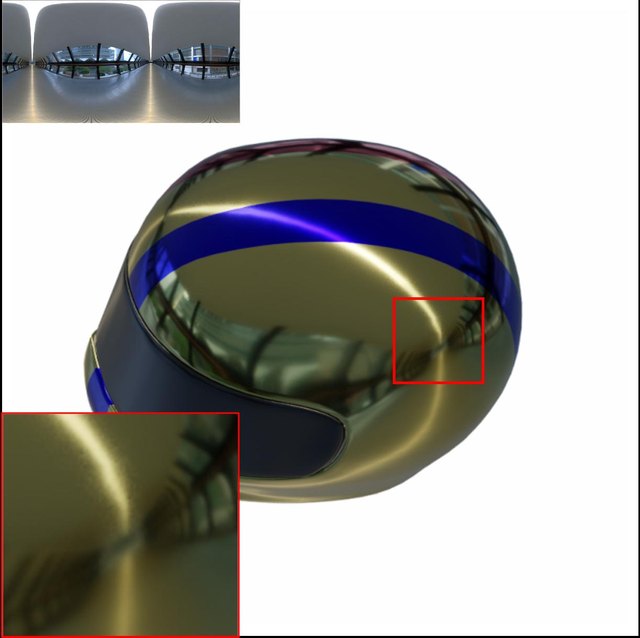
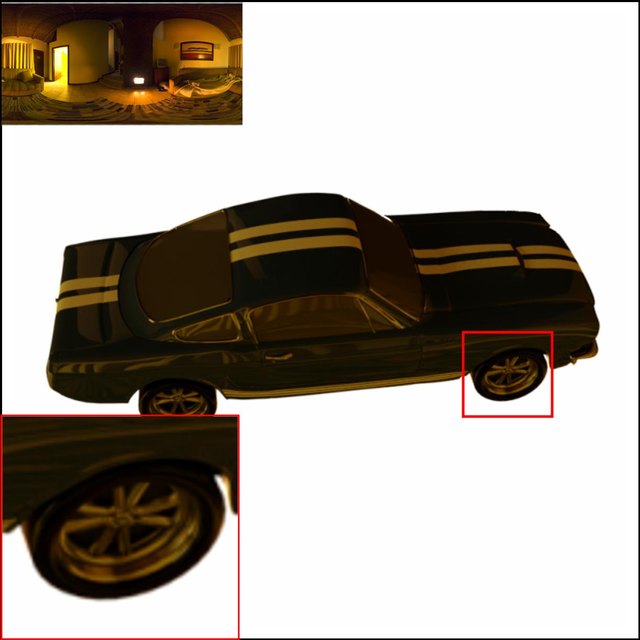
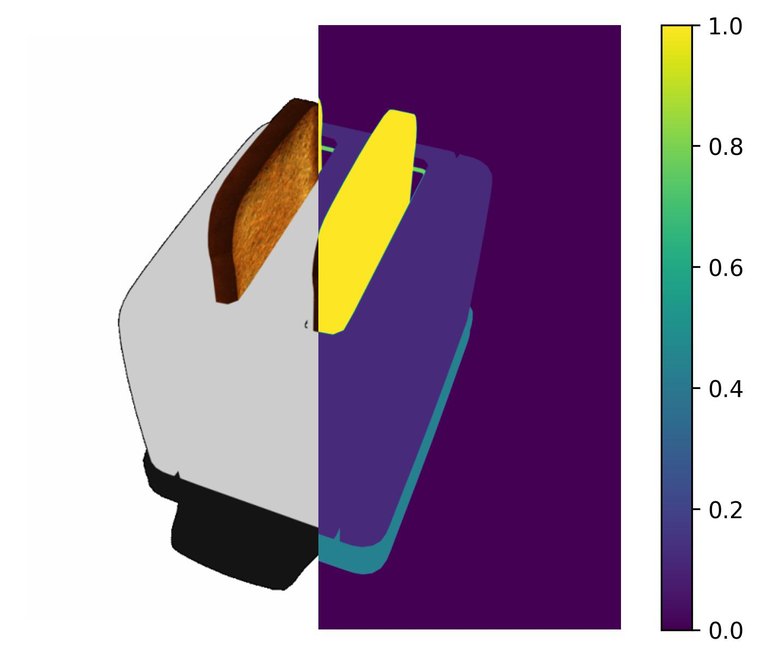
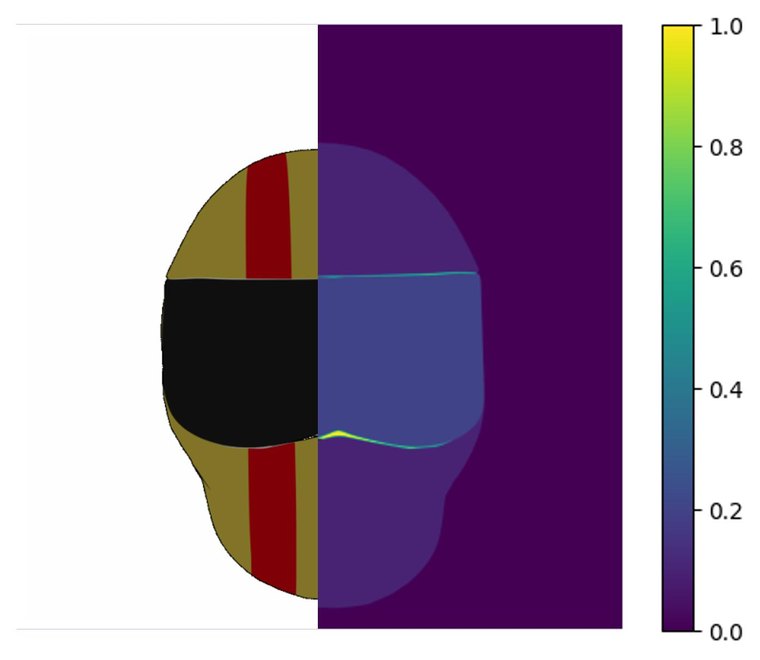
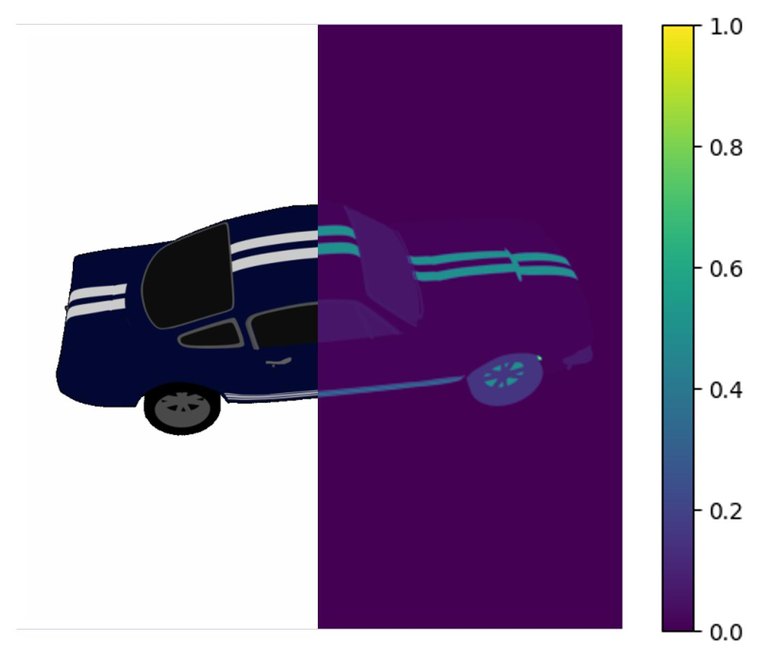
Top: a relighting ground truth. Bottom: ground-truth albedo (left half) and roughness (right half).上:重打光真值。下:反照率真值(左半)和粗糙度真值(右半)。
Side by side并排对比
Real captures: NeRO's Glossy-Real set真实拍摄:NeRO 的 Glossy-Real 数据集
Trained 4 h with ground-truth object masks; meshes from marching cubes at 512³.训练 4 小时,使用物体真值掩码;网格由 512³ 的 marching cubes 提取。
Geometry: second best. Chamfer distance averages 0.0032 against NeRO's 0.0019; NDR, NDRMC and ours use ground-truth masks.几何:第二好。平均 Chamfer 距离 0.0032,NeRO 为 0.0019;NDR、NDRMC 和本文用了真值掩码。
Material falls short here: the distant-light assumption breaks. The masked-out plate causes near-field indirect light, and the photographer's reflection is not modelled.材质在这里不够好:远处光源的假设不成立。被掩掉的底盘带来近场间接光,拍摄者自己的反射也没有建模。
Limitations局限
01
Isotropic BRDF各向同性 BRDF
No transparent or anisotropic materials.处理不了透明或各向异性的材质。
02
No shadows on diffuse surfaces漫反射表面没有阴影
Weaker under point lights, and shadows can be mistaken for geometry (right). A shadow cache after stage 1, as in GS-IR, is a possible fix.点光源下效果较差,阴影还可能被误当成几何(右图)。可行的改进是像 GS-IR 那样在阶段一之后缓存阴影。
03
Ambiguity remains歧义仍然存在
Light, material and geometry trade off; the material can still be far off in some cases.光照、材质和几何之间可以互相抵消;某些情况下材质仍会偏离很多。
04
Not interactive还不能实时
05
Diffuse scenes: comparable, not best漫反射场景:相当,但不是最好
TensoIR synthetic set (lego, hotdog, armadillo, ficus), averages from the paper's supplementary.TensoIR 合成数据集(lego、hotdog、armadillo、ficus),数字为论文补充材料中的平均值。
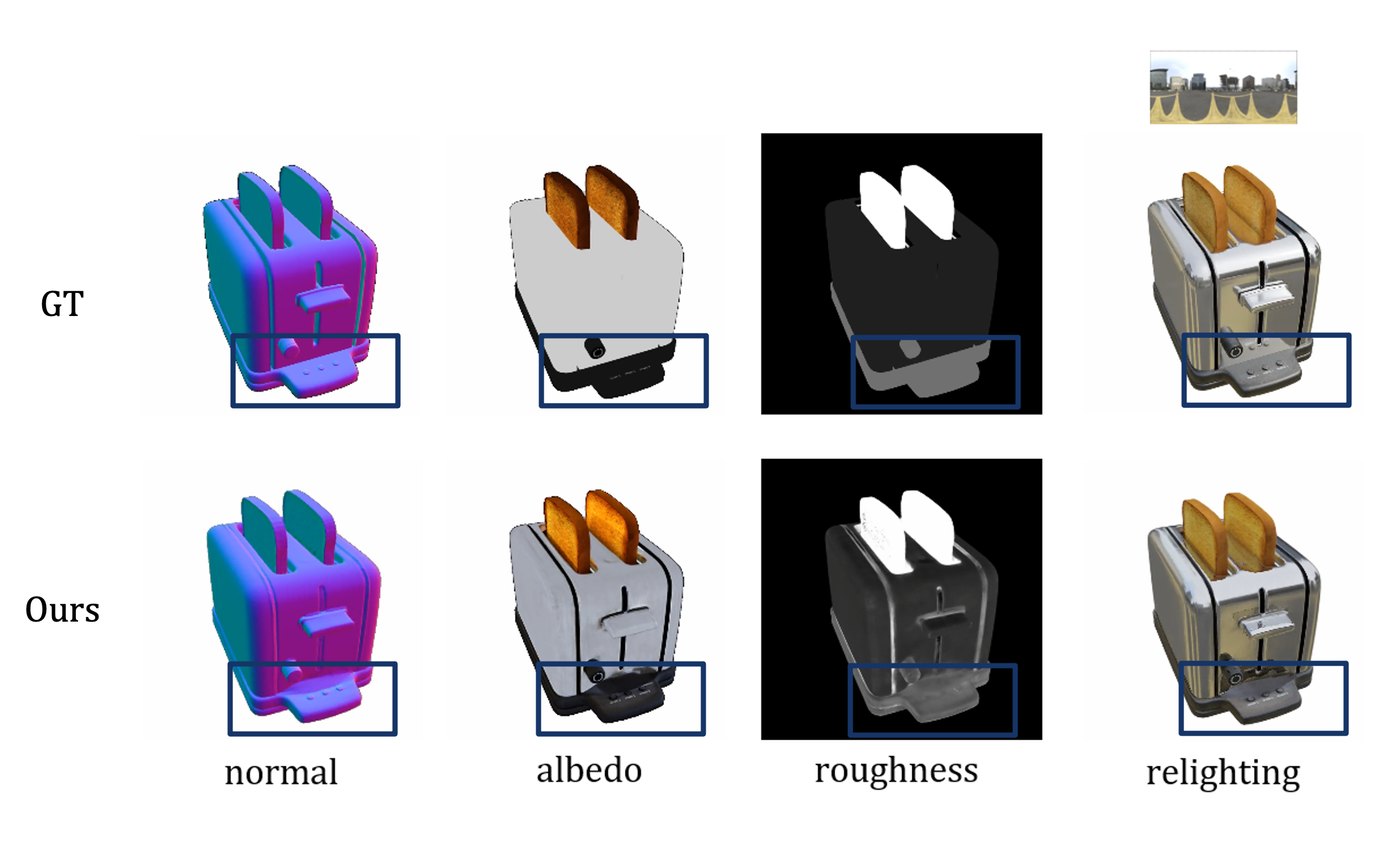
Paper's failure example: the shadow is explained by geometry, which leaves artifacts.论文中的失败例子:阴影被解释成几何,留下伪影。
Contact联系方式
More about me更多关于我
1 / 20